

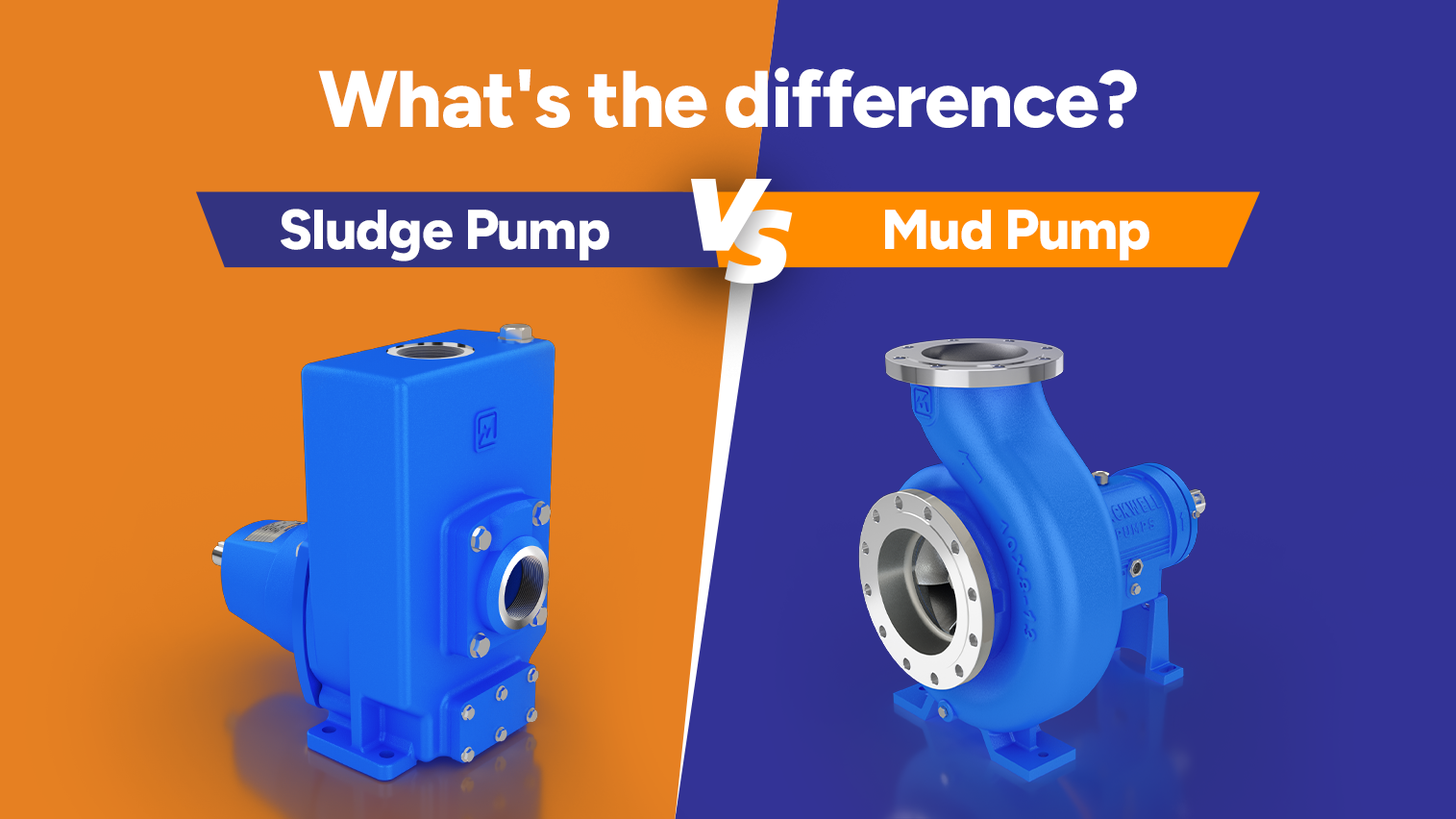
Sludge Pump vs. Mud Pump: What’s the Difference?
Mud is a mixture of water and soil particles commonly found in drilling and construction activities. Sludge is a thicker semi-solid waste generated during wastewater treatment or industrial processes.
Ever found yourself wondering what sets a sludge pump apart from a mud pump? You’re not alone.
At first glance, both do the same job: move heavy, viscous fluids. But dig little deeper, and you’ll find crucial design, usage, and performance differences.
As one of the leading Sludge Pump Manufacturers in India, we at Mackwell Pumps are here to break it down for you in the simplest, clearest way. And yes, we’ll tell you when to use what without the fluff.
Let’s clear the mud and make sense of it all!
What is a Sludge Pump?
A sludge pump is a type of industrial pump designed to handle thick, viscous fluids that contain a high concentration of solid particles. These fluids are commonly produced in wastewater treatment plants, chemical processing facilities, mining operations, and industrial manufacturing processes.
Unlike standard water pumps, sludge pumps are specifically engineered to handle dense materials such as sediment, sludge, slurry, and semi-solid waste without clogging. Their robust construction and special impeller design allow them to move heavy fluids efficiently through pipelines.
In many industries, a wastewater sludge pump plays a crucial role in transporting sludge from treatment tanks to disposal or processing systems. Efficient pumping sludge is essential for maintaining smooth plant operations and preventing blockages in pipelines.
Common Challenges in Pumping Sludge
Handling sludge is much more difficult than pumping water because sludge often contains solid particles, fibers, and thick organic matter. Some common challenges include:
High Viscosity
Sludge is thicker than most liquids, which increases resistance during pumping.
Solid Particle Content
Large particles or debris can cause blockages and damage pump components.
Abrasion and Wear
Sludge often contains sand, grit, and other abrasive materials that can wear out pump parts.
Clogging Issues
Improperly designed pumps may clog frequently when dealing with heavy sludge mixtures.
Because of these challenges, selecting the right sludge pump with strong solids-handling capability is essential for efficient industrial operations.
What is a Mud Pump?
A mud pump is a type of industrial pump designed to move mud, slurry, or drilling fluids that contain water, soil, clay, and other solid particles. It is commonly used in industries where thick or abrasive fluids must be transported efficiently under pressure. Because mud often contains solid materials, a mud pump is built with durable components to handle abrasive and viscous fluids without excessive wear.
In simple terms, a pump for mud is specifically engineered to transfer mixtures that are heavier than normal water-based liquids. These pumps are widely used in drilling, mining, and construction projects where fluid circulation is required.
Working Principle of a Mud Pump
The working principle of a mud pump is based on creating pressure that pushes mud or slurry through pipelines or drilling systems. Most mud pumps operate using a positive displacement mechanism, which moves fluid by trapping a fixed amount of liquid and forcing it into the discharge pipe.
The basic working process includes:
-
Suction Phase – Mud enters the pump chamber through the suction valve.
-
Compression Phase – The piston or plunger moves forward, compressing the fluid.
-
Discharge Phase – The compressed mud is pushed out through the discharge valve at high pressure.
This cycle repeats continuously, allowing the mudpump to move thick drilling fluids or slurry materials efficiently through pipelines.
Industries That Use Mud Pumps
Mud pumps are widely used in several industries where handling heavy slurry or mud mixtures is required. Some of the most common industries include:
Oil and Gas Drilling
Mud pumps are essential in drilling operations to circulate drilling fluid that cools the drill bit and removes cuttings from the borehole.
Mining Industry
Mining operations use mud pumps to transport slurry, tailings, and other mineral-rich fluids.
Construction Projects
In construction and tunneling projects, mud pumps help remove muddy water and slurry from excavation areas.
Water Well Drilling
Mud pumps are used to circulate drilling fluids that stabilize the borehole during well drilling.
Because these pumps are designed for high-pressure fluid circulation, choosing the right mud pump is important for efficient and reliable industrial operations.
Differences: Sludge Pump and Mud Pump
Let’s get this straight with some compare-and-contrast basics:
- Material handled: Sludge pump moves thick, semi-solid waste. Mud pump moves water mixed with sediment.
- Applications: Sludge pump suits ETP, STP, and filter press duty. Mud pump suits mining, construction, and drilling.
- Pump strength: Sludge pump has higher pressure tolerance for dense media. Mud pump offers moderate pressure for watery mixes.
- Clogging resistance: Sludge pump shows excellent clog resistance. Mud pump has moderate resistance.
- Examples: Sludge pump example is the MMSP Series. Mud pump example is site dewatering pumps.
So, the next time you compare sludge pump vs. mud pump, remember it’s not where you’re pumping it, but what you’re pumping.
Can a Trash Pump Pump Mud?
Many people ask “will a trash pump pump mud?” The short answer is yes, but with limitations.
A trash pump is designed to handle liquids that contain debris such as leaves, sand, and small solids. Because of this design, it can often handle light mud or muddy water in construction sites, drainage projects, or floodwater removal.
However, trash pumps are not ideal for very thick mud or heavy sludge. When mud contains a high concentration of solids or becomes extremely viscous, a specialized mud pump or sludge pump is usually required. These pumps are built to handle thicker fluids and provide stronger pumping performance.
In industrial environments where mud or slurry needs to be transported continuously, choosing a pump specifically designed for mud handling ensures better efficiency and reduces the risk of clogging or equipment damage.
What is the Difference Between Mud and Sludge?
Many people use the terms interchangeably, but there is a clear difference between sludge vs mud in terms of composition and industrial usage.
Mud is typically a mixture of water, soil, clay, and other natural particles. It is commonly found in drilling operations, construction sites, and mining environments. Mud generally has lower density compared to sludge and flows more easily through pumping systems.
Sludge, on the other hand, is a thicker semi-solid material produced as a byproduct of industrial and wastewater treatment processes. It often contains organic matter, chemicals, microorganisms, and solid waste particles. Because sludge is denser and more viscous than mud, it requires specially designed pumps for effective transportation.
Key Differences Between Mud and Sludge
| Feature | Mud | Sludge |
|---|---|---|
| Composition | Water mixed with soil and clay | Semi-solid industrial or wastewater residue |
| Density | Moderate | High |
| Viscosity | Medium | Thick and heavy |
| Common Industries | Drilling, mining, construction | Wastewater treatment, chemical plants |
| Pump Type | Mud pumps | Sludge pumps |
Understanding the difference between mud and sludge helps industries select the correct pumping equipment for efficient fluid handling.
Why Mackwell Pumps Make the Difference?
We design solutions for toughest industrial environments. Check the attributes:
MMSP Series – Our Sludge Champion
- Specifically designed to withstand clogging when dealing with heavy sludge duty.
- Perfect for continuous use in filter press systems.
- Consistent performance in even high viscosity.
PRIMEWELL – The Self-Well Star
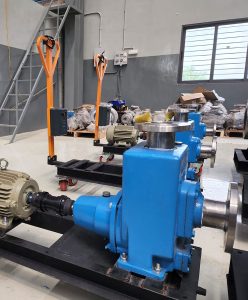
Need a self-priming pump to easily handle dewatering, sludgy water or construction drainage? Meet PRIMEWELL™ an 8-meter suction head radial impeller centrifugal pump that can tackle the toughest conditions.
- Flow rate up to 280 m³/h
- Head up to 60 meters
- Temperatures up to 95°C can be handled
- Pressure limit? A robust 16 bar
PRIMEWELL is tested and proven to be a safe and easy choice for sewage bypass or slurry transfer, such as water.
Find out more about PRIMEWELL here.
How to Choose Between a Mud Pump and a Sludge Pump
Choosing the right pump depends on several factors such as fluid viscosity, solid content, pressure requirements, and the industry application.
Choose a Mud Pump If:
-
The fluid contains mud, slurry, or drilling fluid
-
The application requires high pressure pumping
-
It is used in oil drilling or mining operations
Choose a Sludge Pump If:
-
The fluid is thick wastewater sludge
-
The mixture contains high solid concentration
-
The pump is used in wastewater treatment plants
Industries looking for reliable solutions often work with experienced industrial pump manufacturers that provide customized pumping systems for different applications.
A thought-provoking report by Statista depicts how industrial water and sludge requirements are surging in India—primarily in the textile, food, and metal sectors. That implies innovative pump solutions are no longer advisable—they’re a necessity.
Industrial Applications of Mud Pumps and Sludge Pumps
Both mud pumps and sludge pumps are widely used across different industries where thick fluids must be transported efficiently.
Oil and Gas Drilling
Mud pumps circulate drilling fluids that cool the drill bit and remove rock cuttings from the borehole.
Wastewater Treatment Plants
A wastewater sludge pump is used to transport sludge from treatment tanks to dewatering or disposal systems.
Mining and Mineral Processing
Mining operations often use heavy-duty pumps for handling slurry and sediment mixtures.
Chemical Processing Plants
In chemical industries, specialized chemical process pumps are used for transferring viscous and corrosive fluids.
Industrial Fluid Handling
Modern industrial pumping systems are designed to handle fluids such as slurry, sludge, and abrasive liquids in manufacturing facilities.
Final Thoughts
When comparing Sludge Pump vs. Mud Pump, it’s not which is preferable, but which is preferable for your needs.
At Mackwell Pumps, we don’t just build pumps that move fluid—better, we build pumps that drive your business.
Maybe it’s the rugged MMSP series or the intelligent, self-priming PRIMEWELL—you’re in good hands.
FAQs
Q1. Will a mud pump pump sludge?
No. Sludge needs more pressure and an unclogged flow path. Mud pumps are not designed to handle trash that’s half-soldier.
Q2. What is the suction lift of the PRIMEWELL pump?
PRIMEWELL has an effective handling of up to 8 meters of suction head.
Q3. Is a sludge pump or a mud pump more energy efficient?
That depends on the application. In the case of heavy material, sludge pumps are efficiency engineered.
Q4. Are Mackwell pumps easy to maintain?
Yes! Maintenance is quick and tool-friendly, particularly with our back-pull-out designs, such as PRIMEWELL.
Insights about
your industry